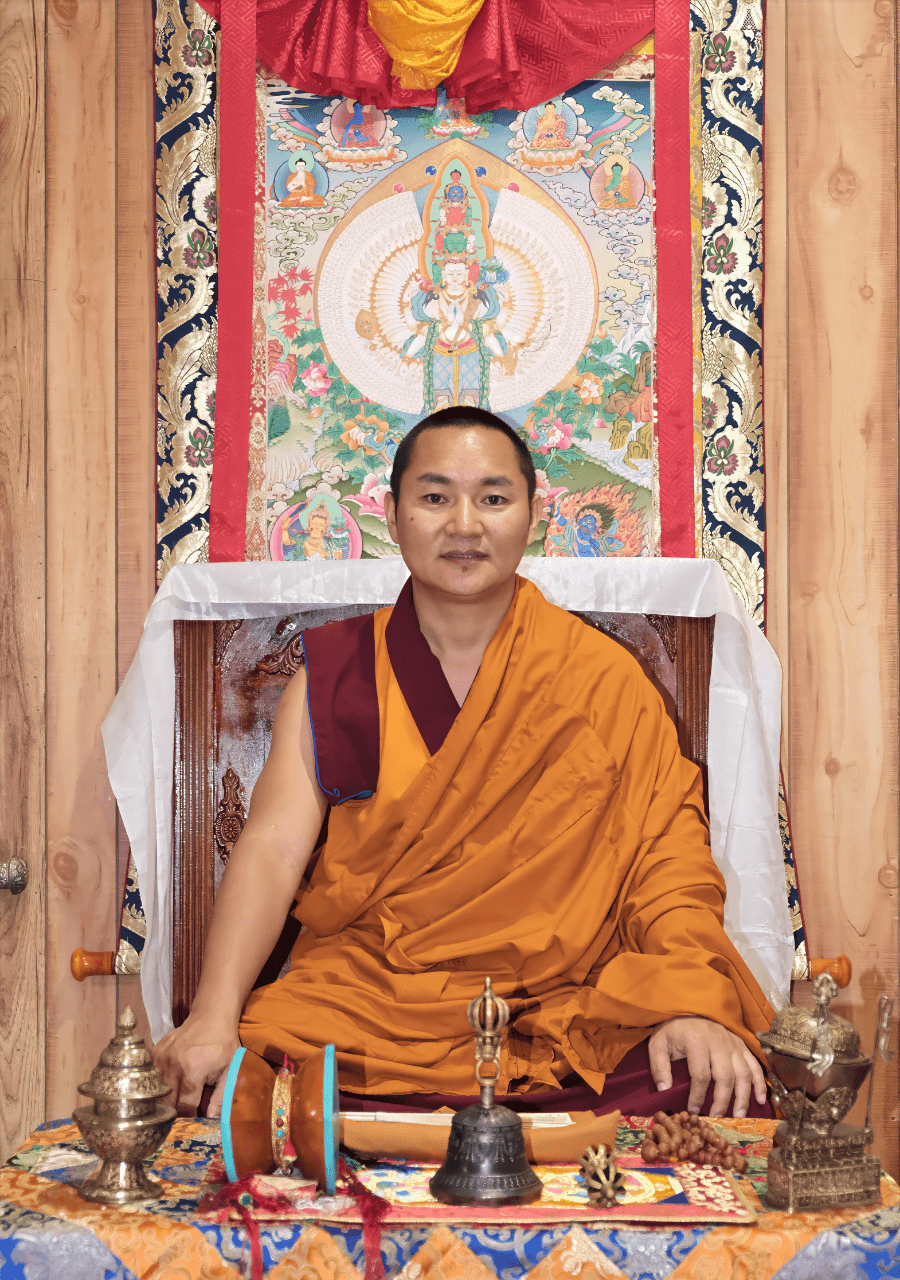
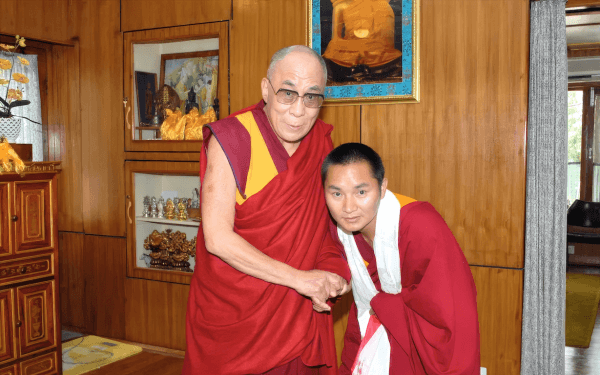
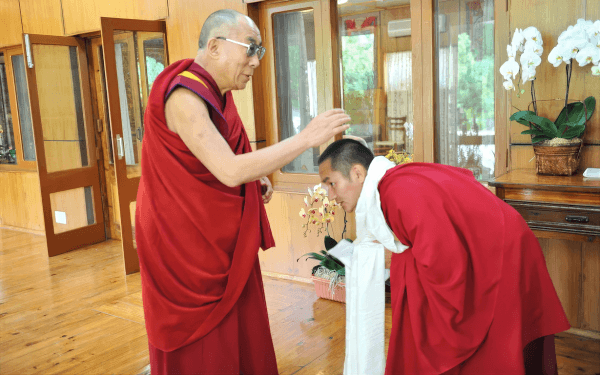
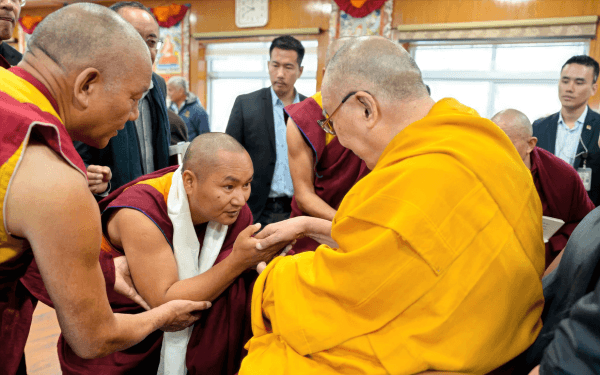
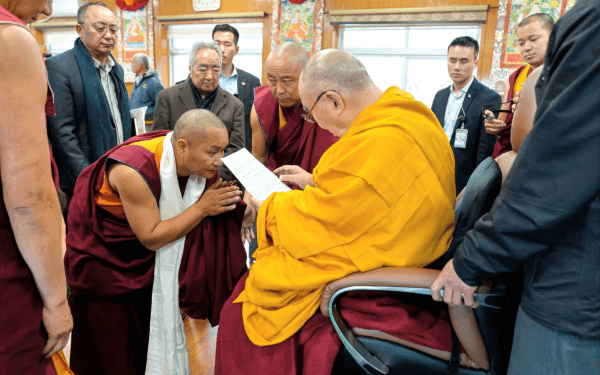
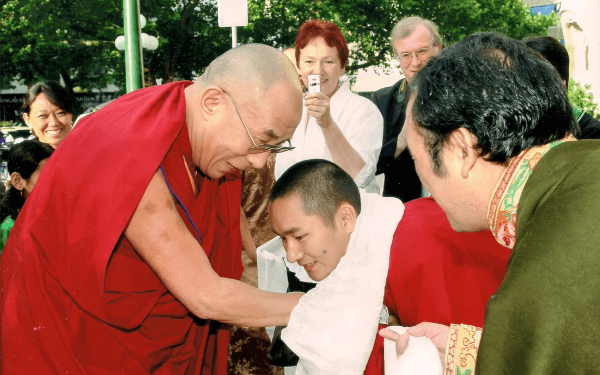
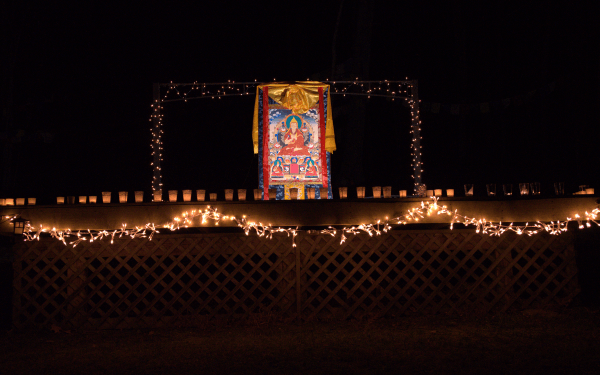
H.E. the 11th Shingza Rinpoche, Lobsang Tenzin Chökyi Gyaltsen, was born in 1980 into a nomadic family in the Amdo region of Tibet.
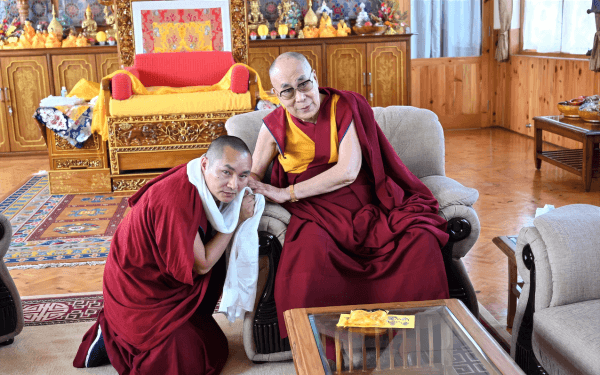
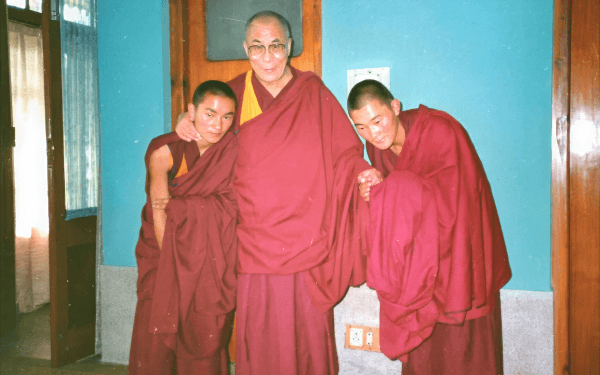
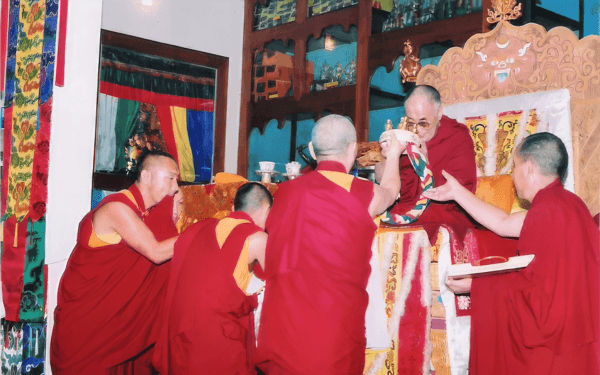
Recognized by His Holiness the 14th Dalai Lama as the 11th incarnation of Shingza Rinpoche, he is the throne holder of Ragya Monastery in the Gelug tradition of Tibetan Buddhism.
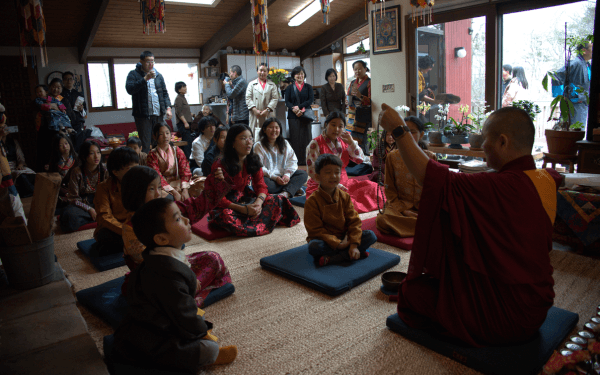
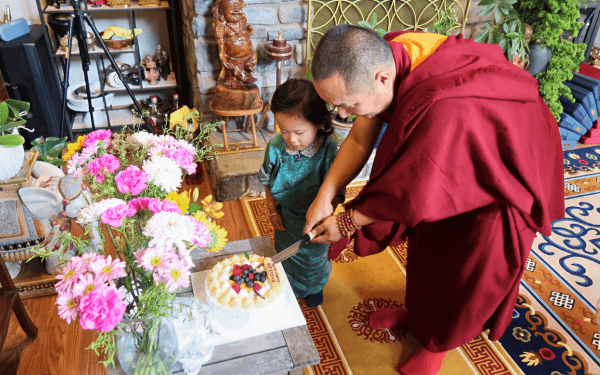
Through teachings, spiritual practice, and community activities, Rinpoche continues to share the wisdom and compassion of Tibetan Buddhism with people from many backgrounds.
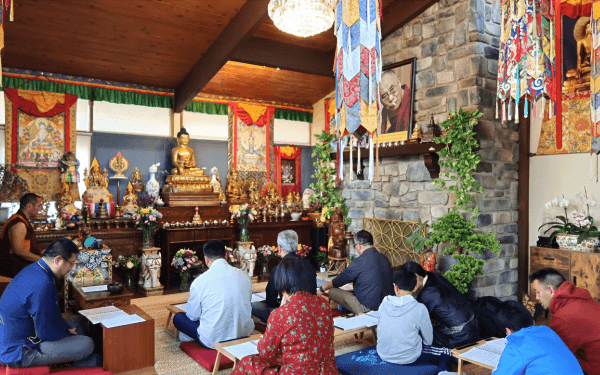
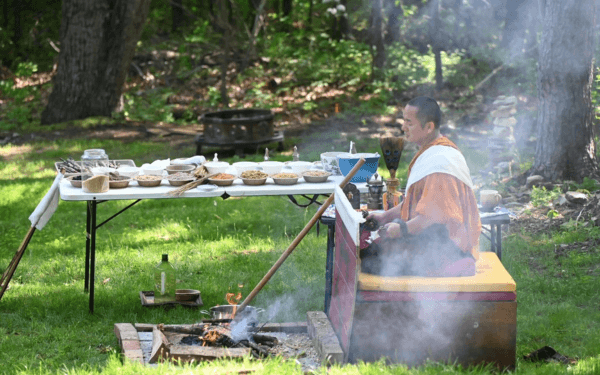
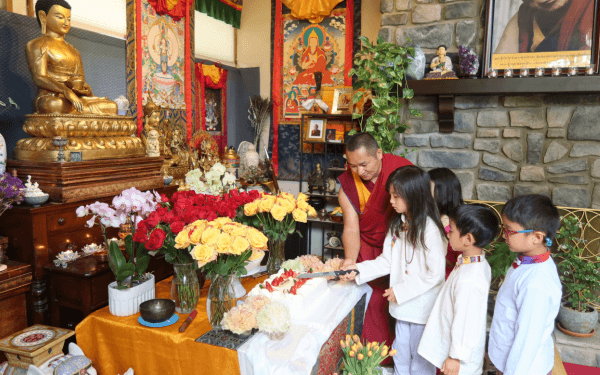
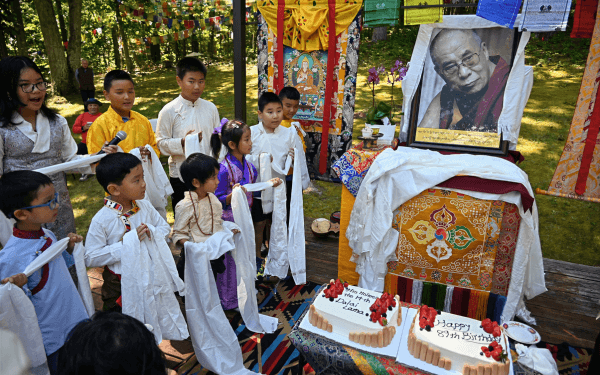
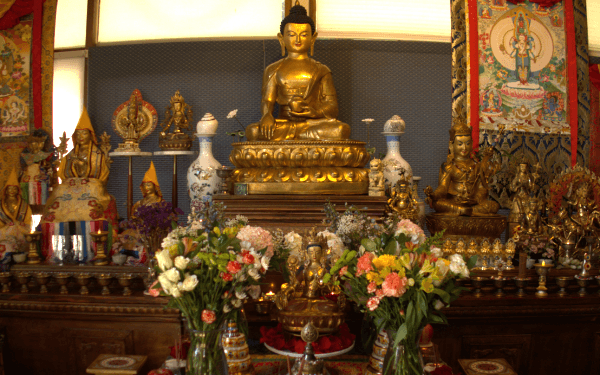
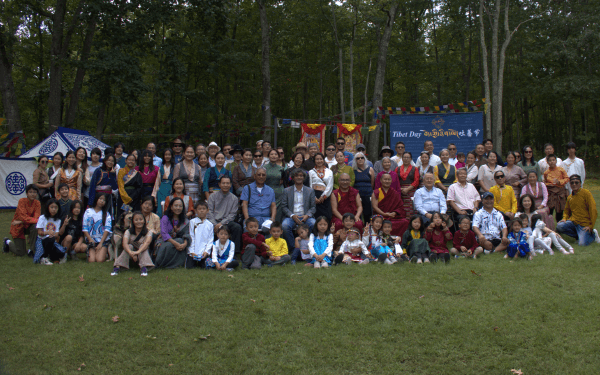
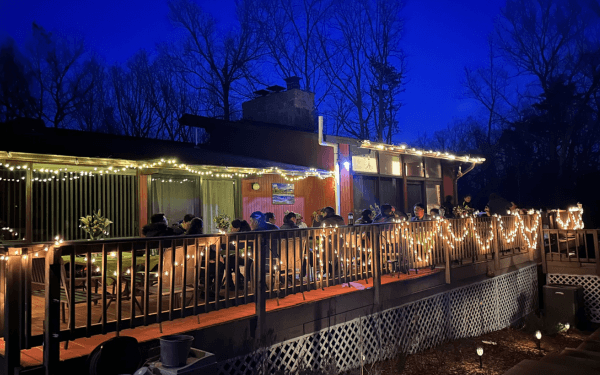
Ragya Mahayana Buddhist Cultural Center (RMBCC) is a Tibetan Buddhist center in Marshall, Virginia, founded under the guidance of H.E. the 11th Shingza Rinpoche.
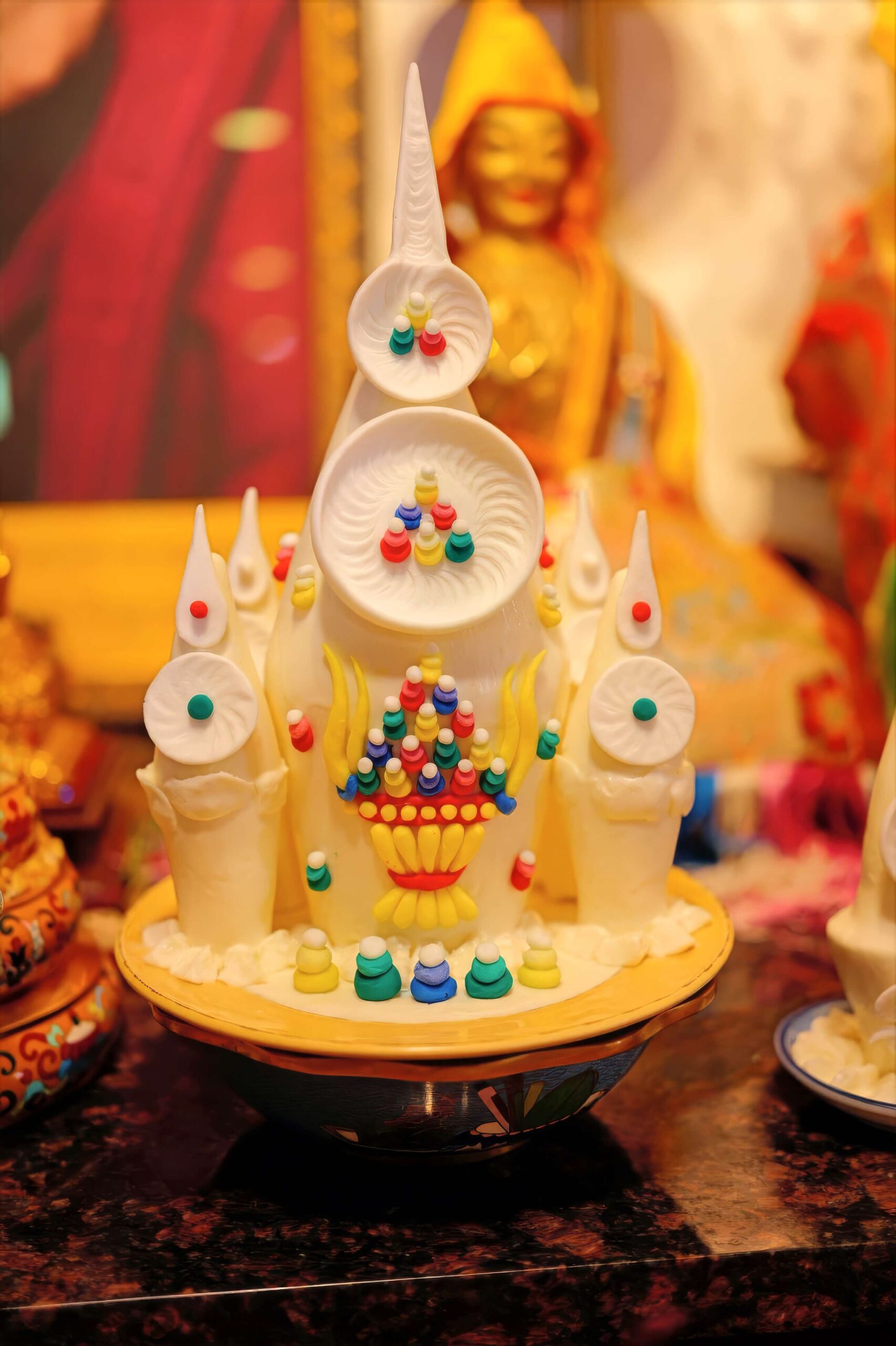
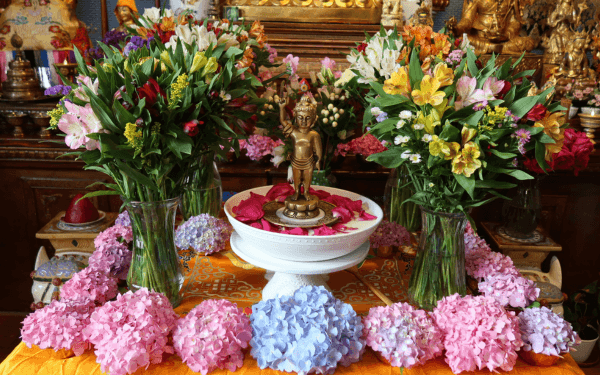
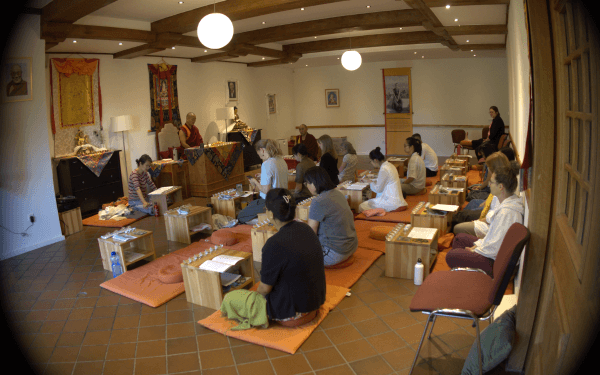
As a branch of the historic Ragya Monastery in Amdo Tibet, RMBCC seeks to preserve and share the wisdom, culture, and contemplative traditions of Tibetan Buddhism through teachings, meditation, sacred arts, and community gatherings.
Within the historic Shingza Labrang of Ragya Monastery, generations of practitioners preserved an extraordinary treasure: a complete set of hand-carved woodblocks for printing the Kangyur, the Tibetan Buddhist canon containing the spoken teachings of the Buddha.
First commissioned by the 7th Shingza Rinpoche in the 18th century, this monumental undertaking took more than a decade to complete and involved teams of highly skilled Tibetan artisans who carved tens of thousands of individual woodblocks entirely by hand.
Long believed to have been lost during the Cultural Revolution, surviving woodblocks of the Ragya Kangyur were later rediscovered through the dedicated efforts of Ragya monks and scholars.
Today, RMBCC continues to honor and share the living heritage of the Ragya Kangyur and its extraordinary story of preservation, devotion, and rediscovery.
For more than 250 years, Ragya Monastery has preserved a sacred tradition of constructing sand mandalas first established by the 7th Shingza Rinpoche and passed down through generations of practitioners and lineage holders.
The process begins in the sacred mountains surrounding Ragya Monastery, where wildflowers are gathered by hand and stones are collected and ground into fine powders.
Over the course of several months, monks prepare natural pigments from wildflowers and minerals before constructing each mandala entirely by hand.
Guided by ritual practice, sacred geometry, and extraordinary precision, these mandalas are created as offerings of meditation, devotion, and compassion for all beings.
Today, RMBCC continues to honor and share this rare living tradition inspired by the heritage of Ragya Monastery.
We warmly welcome visitors from all backgrounds to explore the grounds, attend teachings and community gatherings, and experience the peaceful atmosphere of RMBCC.